Do you feel different - without quite knowing
why?
Many of the people I work with have spent years adapting, avoiding conflict and staying in the background. Not because they wanted to - but because something in them was shaped by a loss that was never spoken about when they were children.
This often shows up as:
Low self-worth and a constant sense of being “wrong”
A feeling of being on the outside - as if life is happening to others
Difficulty knowing what you truly want - or how to express it
Fear of conflict and a strong tendency to accommodate others
Here's what I learned after hundreds and hundreds of conversations with grievers
This free guide walks you through 11 common patterns that often stem from unresolved childhood grief. You don’t have to have the “right” memory of what happened. Many people don’t. But if you’ve felt different for as long as you can remember – like something’s off but you can’t name it – this might give you some answers.
Inside the guide, you’ll learn:
Why people with early loss often avoid conflict - and what it costs them
Why it can be so hard to say “I” when talking about difficult things
How grief sometimes shows up as anger, detachment, or perfectionism
What it means to feel like you’re watching life from behind glass
Why being highly adaptable isn’t always a strength - it can be a survival strategy
You’ll also learn:
That you’re not alone
That what you’re experiencing makes sense
That it’s possible to feel better - even if the loss happened decades ago
This isn’t a quick fix. But it’s a real, evidence-informed start.
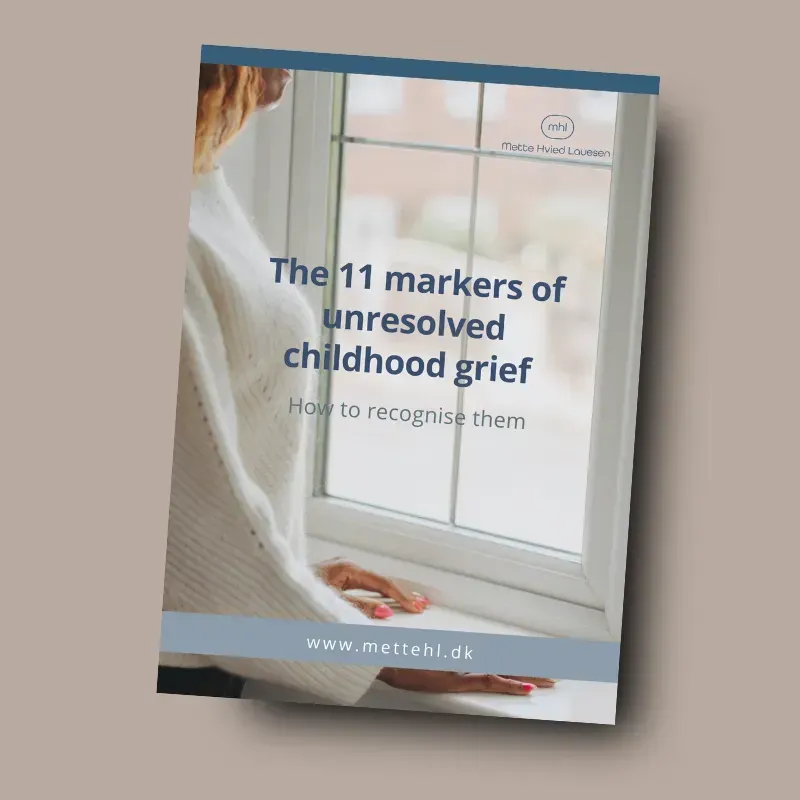
Get the guide – and see if any of it rings true for you
You should download this guide if:
You experienced a loss early in life – and you've never quite understood how deeply it may have shaped you
You want to understand why you react the way you do – especially in relationships, conflict, or emotionally intense situations
You prefer calm, structured insight rather than dramatic emotional language
You value evidence-based help and want to know whether unresolved grief might be affecting your well-being – before you decide to take further steps